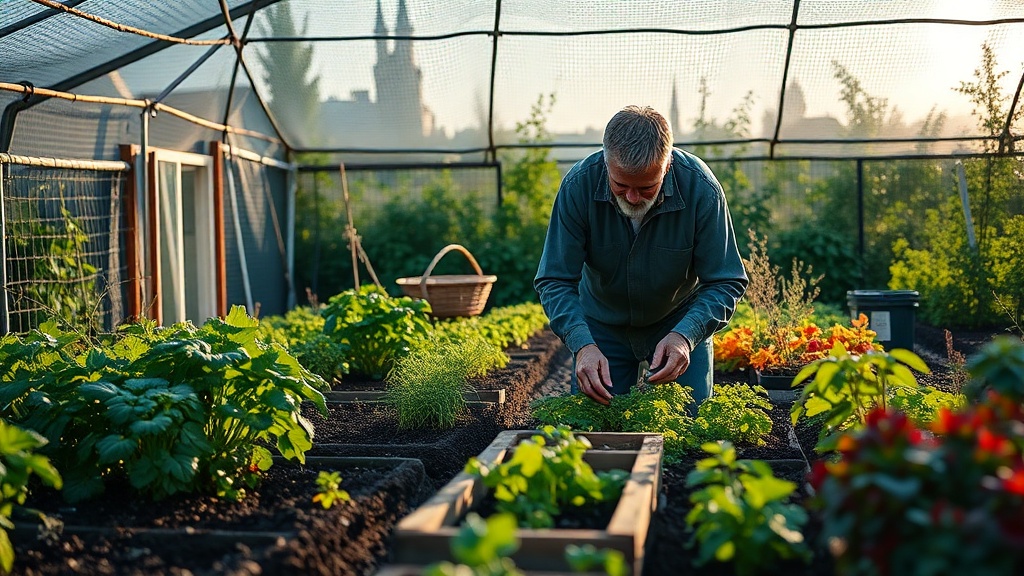
Cultivating Home Harvests: A Vaudreuil-Dorion Beginner's Garden Handbook

Imagine a warm summer evening. You're preparing dinner, and instead of heading to the grocery store, you step outside to your own backyard. You pluck a ripe tomato, snip some crisp lettuce, and gather fragrant herbs—all grown just steps away. This isn't just a pleasant daydream; it's entirely achievable right here in Vaudreuil-Dorion. This guide covers everything you need to know to start your very first—or most successful yet—small vegetable garden, transforming a patch of your yard into a productive, delicious oasis. We'll walk you through selecting the right spot, choosing crops suited for our local climate, preparing your soil, and maintaining your plants so you can enjoy fresh, homegrown produce all season long. It's about bringing healthy, tasty food closer to home and connecting with the rhythm of our community.
What are the best vegetables to grow in Vaudreuil-Dorion's climate?
Our Vaudreuil-Dorion climate, situated in plant hardiness zone 5b, comes with its own set of gardening opportunities and considerations. We typically see our last frost in mid-to-late May and the first frost arriving in late September or early October. This relatively short growing season means we need to be strategic with our plant choices and timing. But don't worry, plenty of fantastic vegetables thrive here!
You'll find great success with cool-season crops. These vegetables love the milder temperatures of spring and fall and can often handle a light frost. Think about planting:
- Leafy Greens: Lettuce, spinach, kale, Swiss chard, and arugula are perfect. They're quick to grow and can be sown as soon as the soil is workable in spring. You can often get multiple harvests throughout the season.
- Root Vegetables: Carrots, beets, and radishes are reliable choices. Radishes, in particular, are garden sprinters, maturing in under a month. Onions and leeks also do quite well; leeks are exceptionally cold-hardy and can often be harvested well into autumn.
- Cruciferous Varieties: Broccoli, cauliflower, and cabbage perform well in our soil and cooler summers. They appreciate consistent moisture and a steady supply of nutrients.
- Peas: Both snap peas and shelling peas enjoy our cool spring air. Plant them early for a sweet, crunchy treat!
For those heat-loving summer vegetables, your best bet is to select "short-season" or "early" varieties. Check seed packets for their "days to maturity" and aim for those around 60-70 days. Popular choices include:
- Tomatoes: Early varieties like 'Manitoba' or 'Early Girl,' and most cherry tomatoes, are great. Starting these indoors in April and transplanting them in late May or early June will give them a head start.
- Zucchini and Summer Squash: These grow very quickly and are usually more successful than larger winter squash in our shorter season. They're incredibly productive, so often just one or two plants are enough!
- Beans: Bush beans tend to be easier for beginners than pole beans. They mature faster and don't need a trellis, making them a simpler option for a new garden.
- Cucumbers: They love the humidity of our summers but require plenty of water. Give them something to climb, or let them sprawl, but ensure they get consistent moisture.
Don't forget herbs! Chives, mint, and thyme are perennial in our zone, meaning they'll come back year after year. Annuals like parsley, cilantro, and dill also grow well in the cooler parts of our season. Basil, while loving the heat, is sensitive to frost, so consider growing it in a pot you can bring indoors if a cold snap surprises us. For more detailed information on what thrives here, you might find resources like