Discover Vaudreuil-Dorion's Hidden Gems: A Local's Guide

Most visitors zip past Vaudreuil-Dorion on Highway 20, catching only a glimpse of big-box stores and gas stations. That's a mistake. This post maps out the under-the-radar spots—the waterfront trails, the family-run eateries, the local markets—that make this Montérégie town worth a dedicated stop. Whether you're planning a day trip from Montreal or looking for a new weekend ritual, here's what actually deserves your time.
What makes Vaudreuil-Dorion different from other Montreal suburbs?
The town sits at the confluence of the Ottawa and Saint Lawrence Rivers, giving it a waterfront character that most suburban sprawl lacks. You're looking at 12 kilometers of shoreline, historic villages that predate Confederation, and a food scene that's distinctly Quebecois without the tourist markups of Old Montreal. The vibe here is practical—families who've lived here for generations, commuters who chose space over city condos, and a growing contingent of remote workers rediscovering their own backyard.
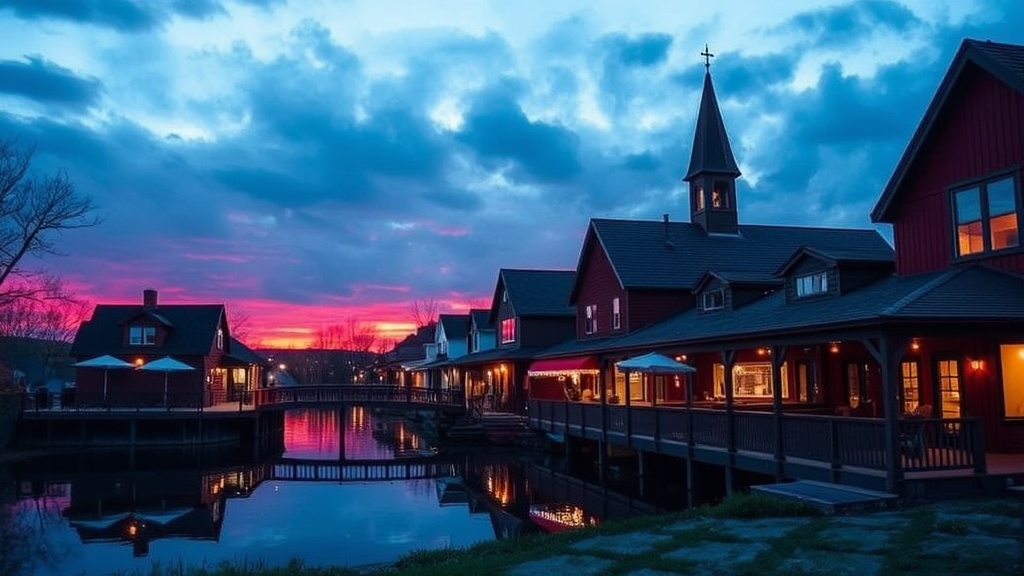
Here's the thing: Vaudreuil-Dorion isn't trying to be charming. It just is. The old village core (Vieux-Vaudreuil) has heritage homes dating back to the 18th century. The waterfront parks aren't manicured attractions—they're working public spaces where locals fish, picnic, and watch the river freeze in December. That authenticity is exactly what makes it worth exploring.
Where do locals actually eat?
Skip the chain restaurants along Saint-Charles Boulevard. The good stuff hides in strip malls, heritage buildings, and places with handwritten menus.
Bistro L'Entre-Temps in Vieux-Vaudreuil occupies a century-old house with creaky floors and a seasonal patio. The menu changes weekly based on what the chef finds at local markets. Expect duck confit, rabbit terrine, and a wine list that leans heavily on private imports you won't find at the SAQ depot down the road. Reservations aren't just recommended on weekends—they're necessary.
For something quicker, Boulangerie Pâtisserie Léopold on Avenue Saint-Charles has been baking since 1952. The croissants crack when you bite them (that's the test), and the tourtière uses a family recipe that predates the current owners. Grab a coffee and a kaiser—a Montreal-style sesame bagel that's softer than the Fairmount version—and eat it at one of the picnic tables outside.
The catch? Most of these spots close early. Kitchens typically stop taking orders by 8:30 PM, and many are shuttered Monday and Tuesday. Plan accordingly. That said, La Belle & La Bœuf (yes, it's a chain, but a Quebec one) stays open late for burgers and local craft beer if you miss the window.
Which outdoor spots are worth the drive?
The Parc régional des Îles-de-Saint-Timothée sits on three islands in the Saint Lawrence, connected by footbridges. It's 156 hectares of wetlands, forests, and shoreline trails. In summer, you can rent kayaks and paddle the channels between the islands. Winter brings snowshoe trails and ice fishing huts. The entry fee is $8 for adults—less than a movie ticket—and the quiet is absolute. No traffic noise, just red-winged blackbirds and the occasional freight train rumbling across the distant bridge.
Closer to town, Parc de la Maison-Valois offers a slice of 19th-century rural life. The restored farmhouse hosts art exhibitions and workshops, but the real draw is the grounds—winding paths through old-growth trees, a community garden that overflows with tomatoes and sunflowers in August, and a view of the river that rivals anything in the Eastern Townships.
For cyclists, the Tour du Lac route circles Lac des Deux Montagnes. It's 55 kilometers of mostly flat trail—paved in sections, packed gravel in others. You'll pass through Pointe-Calumet, Saint-Placide, and Oka (home to the famous cheese). Bring water; there are long stretches without services. The view across the lake to the Laurentian Mountains makes the effort worthwhile.
| Spot | Best For | Season | Cost |
|---|---|---|---|
| Parc régional des Îles-de-Saint-Timothée | Kayaking, birdwatching, quiet trails | Year-round | $8 adult / $5 child |
| Parc de la Maison-Valois | History, gardens, river views | May–October (house open) | Free (grounds) / $5 (house tour) |
| Tour du Lac cycling route | Long rides, lake views, exercise | May–October (best conditions) | Free |
| Waterfront Promenade | Walking, sunsets, accessibility | Year-round | Free |
Where can you find authentic local products?
The Marché Public de Vaudreuil-Dorion runs Saturday mornings from June through October in the parking lot behind City Hall. It's not massive—maybe twenty vendors—but that's the point. You're buying corn picked that morning from farms in nearby Saint-Clet, honey from hives in Les Cèdres, and panier de légumes assembled by the same people who grew them. Prices match the grocery store, but the flavor doesn't compare.
For year-round shopping, Fromagerie des Grondines (technically across the river, but worth the trip) makes cheese from raw milk sourced from a single herd. The Carré des plaines—a semi-firm, washed-rind cow's milk cheese—won awards at the Montérégie agricultural competitions. The shop also stocks Les Soeurs de la Congrégation de Notre-Dame jams and preserves, made by nuns in a nearby convent since the 1800s.
Worth noting: Vaudreuil-Dorion has a surprisingly strong arts community. The Galerie de la Ville at the Vaudreuil-Dorion Cultural Centre showcases local painters, sculptors, and photographers. Admission is free, and everything's for sale. You might pick up an original landscape of the Ottawa River for the price of a department store print.
Practicalities: The exo train connects Vaudreuil-Dorion to downtown Montreal in 35 minutes, making this an easy car-free day trip. If you're driving, parking is plentiful and free in most areas. The main commercial strip along Saint-Charles Boulevard has every chain store imaginable, but venture one block east or west and you'll find the local businesses that give this town its character. Summer weekends get busy with boaters launching from the municipal marina—arrive before 10 AM if you want a quiet walk along the waterfront.
The best time to visit? Late September, when the corn is still sweet, the maples are turning, and the summer crowds have gone home. Bring a jacket—the wind off the river cuts through you in that bracing, autumnal way that makes you feel alive. Sit on a bench. Watch the water. This is what the locals do.