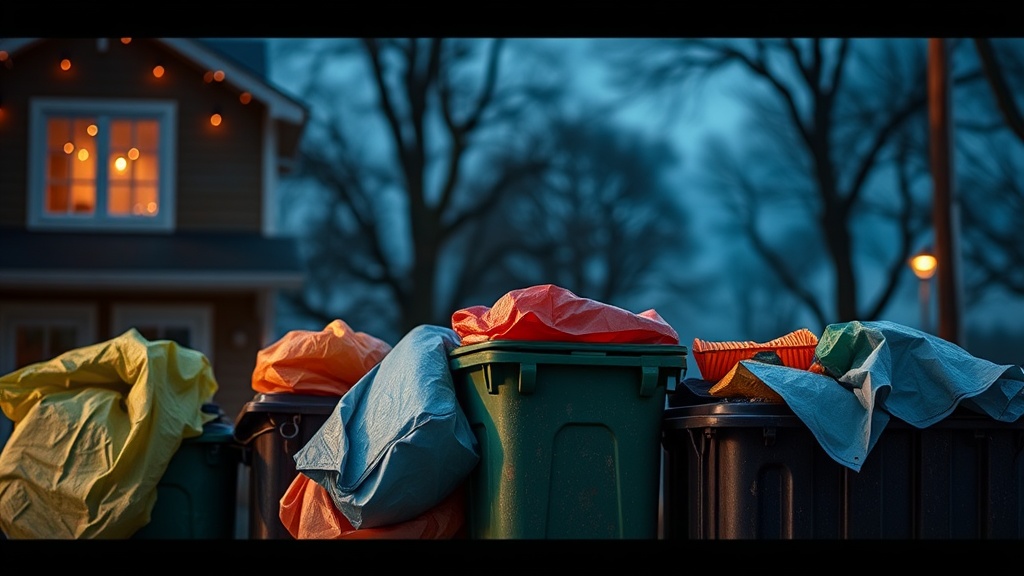
Rethinking Your Bin: Smart Waste Choices for Vaudreuil-Dorion Homes

Did you know that the average Canadian household generates over 700 kilograms of waste each year? That's roughly the weight of a small car! It’s a staggering figure, highlighting the scale of waste production we face daily. For residents of Vaudreuil-Dorion, understanding how to manage our household waste isn't just about following rules—it’s about actively contributing to the well-being of our beautiful community and the wider environment. This guide dives into practical, actionable strategies for sorting, minimizing landfill contributions, and supercharging your recycling efforts. We’re going to make your daily routine a little greener and a lot simpler, showing you how smart waste choices really do make a difference right here in our corner of Quebec.
How Can I Make My Recycling Habits More Effective?
Recycling can feel like a puzzle, especially with different rules for various materials. But with a bit of know-how, you can turn confusion into clarity. The key is understanding what goes where, and why it matters.
Know Your Local Guidelines
First and foremost, your municipal recycling program is your bible. Rules vary from city to city, even within the same region. What’s accepted in Montreal might not be accepted here in Vaudreuil-Dorion, or vice-versa. Always check the official Vaudreuil-Dorion waste collection schedule and guidelines—they’re usually available on the city’s website or in annual community calendars. This will clarify which plastics (look for the numbers 1 through 7, though not all are accepted everywhere), papers, metals, and glass are collected at the curb.
Cleanliness Counts
A common mistake? Not rinsing containers. Food residue, grease, or liquids can contaminate an entire batch of recyclables, meaning your perfectly sorted plastic bottle ends up in the landfill anyway. Give those yogurt cups, jam jars, and tin cans a quick rinse. It doesn't need to be spotless, but free from obvious food scraps is ideal. This simple step makes a huge difference in the effectiveness of the recycling process and helps keep our sorting facilities running smoothly.
Separate with Purpose
Sometimes, items seem recyclable but aren't—or they need a special kind of recycling. For instance, plastic bags aren't usually accepted in blue bins because they jam machinery. Many grocery stores, however, offer drop-off points for plastic films. Likewise, pizza boxes are only recyclable if they’re clean; a grease-stained bottom should go into the compost or general waste. Taking a moment to separate these "wish-cyclables" prevents contamination and ensures the items that can be recycled, actually do get recycled.
Think about common household items. Cardboard boxes should be flattened. Glass bottles and jars are typically accepted—lids usually aren't, or need to be removed. Metal cans are almost universally recyclable. When in doubt, a quick check of your local guide will provide the definitive answer. Remember, the goal isn't just to put things in the blue bin; it’s to put the right things in the blue bin.
Did you know that in Quebec, specific regulations guide the recycling and recovery of certain materials?