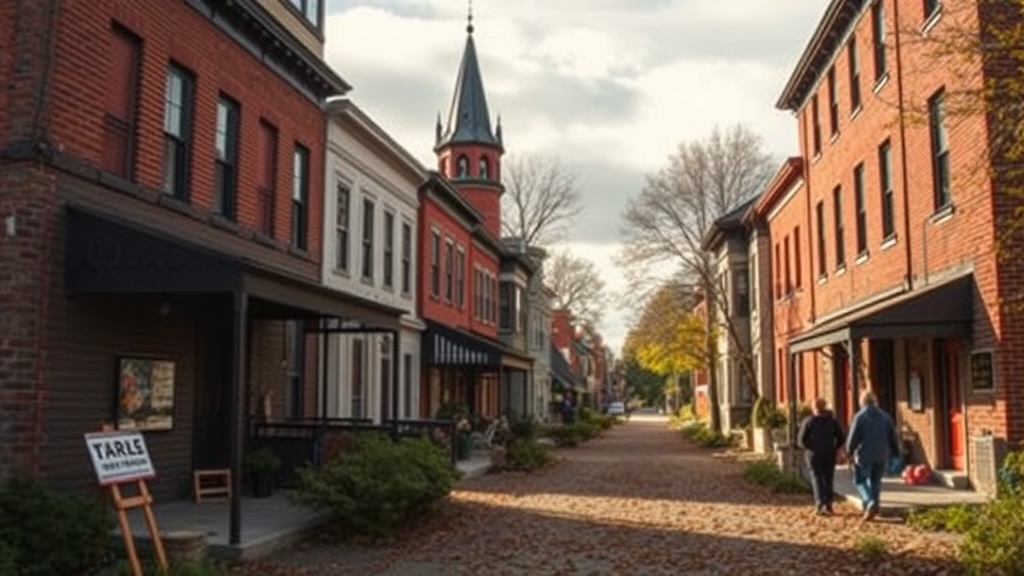
Unearthing Vaudreuil-Dorion's Rich Past: A Heritage Walk Guide

What Stories Do Vaudreuil-Dorion's Oldest Buildings Tell?
Did you know that some structures in Vaudreuil-Dorion have stood for well over two centuries? Maison Trestler, for instance, dates back to 1798. This guide isn't just about old buildings; it's about connecting with the very foundations of our community. By exploring Vaudreuil-Dorion's historical sites, we can better understand the forces that shaped this vibrant town and appreciate the stories etched into its stones. It's a fantastic way to spend an afternoon, whether you're a long-time resident or new to the area.
Our city, formed in 1994 from the merger of Vaudreuil and Dorion, has roots reaching back to the 18th century, deeply embedded in the French seigneurial system. The strategic confluence of the Ottawa and St. Lawrence rivers made this area a vital hub for trade and transportation, especially during the fur trade era. This rich history is still visible today, if you know where to look. Let's uncover some of the most compelling narratives our local heritage has to offer.
First on our list is the remarkable Maison Trestler. Located at 85, chemin de l'Anse, this magnificent stone edifice served as a fur-trading post and general store. Completed in 1798, it stands as one of the oldest and most significant commercial buildings in the entire region. Imagine the bustling activity, the goods exchanged, and the lives intertwined within its walls. Visiting Maison Trestler today offers a tangible link to Vaudreuil-Dorion's colonial past, giving us a glimpse into the economic and social fabric of early Quebec.
Just a short distance away, you'll find the majestic Église Saint-Michel. Consecrated in 1787, this historic church is more than just a place of worship; it’s a designated provincial heritage monument. Its impressive architecture and intricate religious art reflect centuries of community faith and craftsmanship. The church has witnessed countless baptisms, weddings, and funerals, serving as a constant presence in the lives of generations of Vaudreuil-Dorion residents. Stepping inside, you can almost hear the echoes of history.
The Musée régional de Vaudreuil-Soulanges is another cornerstone of our local heritage. Housed in a charming former boys' school built in 1859, the museum does an incredible job of preserving and showcasing the history, traditions, and arts of our wider region. It’s a treasure trove of artifacts, photographs, and exhibits that paint a vivid picture of what life was like here through the ages. You’ll leave with a deeper appreciation for the ingenuity and resilience of those who came before us.
Where Can You Walk Through Vaudreuil-Dorion's History?
Vaudreuil-Dorion makes it easy to immerse yourself in its past, thanks to a thoughtfully developed architectural circuit. This self-guided tour is an excellent way to experience history firsthand, at your own pace. You can discover various buildings and sectors that influenced the city's development from the 18th, 19th, and 20th centuries. It’s like stepping into an open-air museum, with each stop revealing another layer of our collective story.